
Say Cheese: The Complete Guide to Grass-Fed Quality, Cellulose Traps, and Low-Carb Optimization

Updated: Aug 29
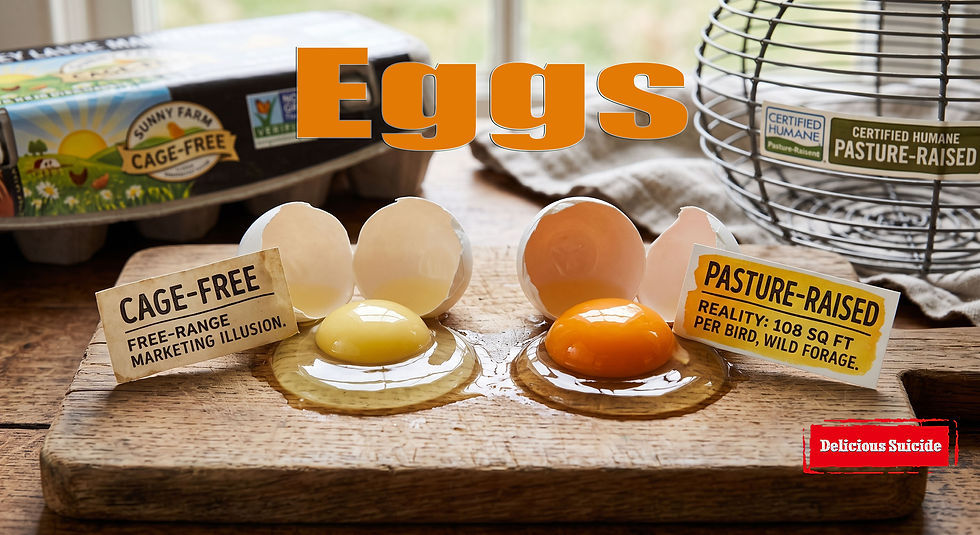
Quality in nutrition comes down to a foundational truth: you are what you eat ate. Just as with beef and pasture-raised eggs, dairy quality depends entirely on the animal's lifestyle, diet, and processing methods.
When sourced correctly, cheese provides bioavailable animal fats, complete proteins, and fat-soluble vitamins. Sourced poorly, it introduces synthetic anti-caking agents, oxidized fillers, and altered fatty acid profiles.
1. Grass-Fed vs. Grain-Fed Dairy: The Nutrient Breakdown
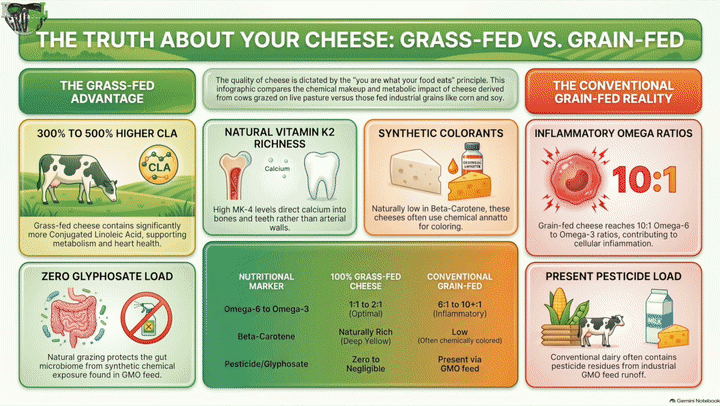
The biological differences between cows grazed on live pasture versus cattle fed industrial grain (corn and soy) directly alter the chemical makeup of the resulting milk fat:
Nutritional Marker | 100% Grass-Fed Cheese | Conventional Grain-Fed Cheese | Health & Metabolic Impact |
Omega-6 to Omega-3 Ratio | ~1:1 to 2:1 (Optimal) | ~6:1 to 10+:1 (Inflammatory) | Grass-fed maintains balanced cellular inflammatory pathways. |
Conjugated Linoleic Acid (CLA) | 300% to 500% Higher | Baseline / Low | CLA supports lipid metabolism, body composition, and heart health. |
Vitamin K2 (MK-4 isoform) | High | Minimal / Deficient | Directs calcium into bones and teeth rather than arterial walls. |
Beta-Carotene & Vitamin A | Naturally Rich (Deep Yellow Tint) | Low (Often chemically colored with annatto) | Supports immune function and cellular integrity. |
Pesticide / Glyphosate Load | Zero to Negligible | Present via GMO feed runoff | Protects gut microbiome from synthetic chemical exposure. |
2. The Cellulose & Anti-Caking Agent Trap in Shredded Cheese
Pre-shredded cheese packaged in plastic bags is not simply grated block cheese. To keep moist cheese shreds from clumping together during shipping and storage, industrial processors coat the cheese with additive powders:
Common Additive | Source / Origin | Functional Purpose | Concerns & Digestive Drawbacks |
Powdered Cellulose | Refined wood pulp / plant fiber | Anti-caking and moisture absorption | Insoluble filler that alters melt quality; can trigger bloating in sensitive guts. |
Potato Starch / Cornstarch | Industrial plant starches | Moisture barrier | Introduces hidden carbohydrates that can kick users out of ketosis. |
Natamycin | Mold inhibitor / antifungal agent | Extends artificial shelf life | Chronic exposure to antifungal preservatives can disrupt normal gut flora. |
Why Grating Block Cheese Matters
Zero Hidden Fillers: Blocks of hard cheese contain only four ingredients: milk, cultures, salt, and animal rennet.
Better Melt & Flavor: Pre-shredded cheese leaves a gritty, powdery residue due to cellulose binders, whereas fresh-grated block cheese melts smoothly without chemical stabilizers.
3. Raw Milk vs. Pasteurized & A1 vs. A2 Casein
Beyond grass-fed sourcing, two other critical factors determine how well dairy is digested:
A. Raw vs. Pasteurized Cheese
Raw Artisanal Cheese (Aged 60+ Days): Retains indigenous milk enzymes (such as lipase and lactase) and beneficial microflora that assist human digestion and enhance nutrient bioavailability.
Ultra-Pasteurized Commercial Cheese: High-heat processing denatures delicate enzymes and modifies native milk proteins, making them harder to break down.
B. A1 vs. A2 Beta-Casein
A1 Casein (Modern Holstein Cows): When digested, A1 milk produces a peptide called beta-casomorphin-7 (BCM-7), a primary trigger for dairy-related inflammation, congestion, and digestive discomfort.
A2 Casein (Goat, Sheep, Jersey/Guernsey Cows): A2 milk does not cleave into BCM-7, allowing many people with general "dairy sensitivities" to consume goat, sheep (Pecorino, Manchego), or heritage cow cheese without gastrointestinal distress.
4. Dietary Framework Optimization: Keto, Carnivore, and Beyond
Cheese is not universally suitable for every dietary protocol. Its utility depends on carbohydrate tolerance, protein goals, and lactose thresholds:
Dietary Framework | Compatibility | Best Cheese Selections | Strategic Role & Considerations |
Ketogenic Diet | Optimal | Aged Cheddar, Gouda, Parmesan, Brie, Blue Cheese | High fat-to-protein ratio, virtually zero net carbs (<1g/oz), provides steady ketone fuel. |
Relaxed Carnivore | Moderate / Strategic | Hard aged raw cheeses, Pecorino Romano, Parmigiano-Reggiano | Pure animal fat and protein; must avoid fresh high-lactose cheeses (ricotta, cottage cheese). |
Strict / Lion Diet | Excluded | None | Strictly ruminant meat, water, and salt; all dairy is eliminated to test for sensitivities. |
Low-FODMAP / IBS | Conditional | Hard aged cheeses (lactose naturally broken down by bacteria during aging) | Avoid soft, fresh cheeses that contain residual lactose sugars. |
5. Master Buyer's Checklist for High-Quality Cheese
Rule 1: Always Buy the Block: Avoid the bagged shredded cheese aisle to eliminate cellulose, starch, and natamycin.
Rule 2: Look for 100% Grass-Fed or Pasture-Raised: Look for certifications like Kerrygold, grass-fed raw cheddar, or European PDO labels (like Parmigiano-Reggiano and Gruyère), which mandate traditional pasture management.
Rule 3: Choose Traditional Animal Rennet: Traditional cheese uses animal rennet rather than genetically engineered microbial rennet (FPC).
Rule 4: Prioritize Sheep and Goat Options: If cow dairy triggers sinus congestion, skin breakouts, or bloating, switch to aged sheep (Manchego, Roquefort) or goat cheeses containing purely anti-inflammatory A2 proteins.


Comments